
In the dynamic world of software development, performance testing stands as a crucial pillar ensuring that applications meet user expectations and business requirements. However, performance testing is not a one-size-fits-all process; it encompasses various types, each serving a distinct purpose. Understanding these differences is vital, particularly before launching marketing campaigns and in the context of monitoring microservices. This article delves into the importance of distinguishing between different types of performance testing, the necessity of pre-marketing campaign testing, and the criticality of monitoring microservices via observability tools.
Types of Performance Testing
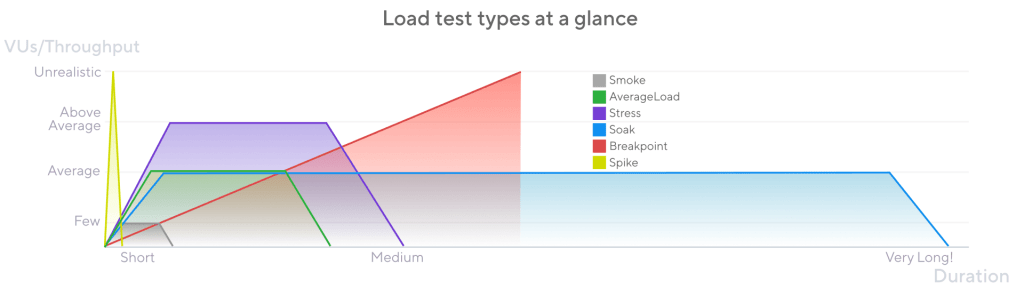
- Load Testing Load testing evaluates how an application performs under expected user loads. The objective is to identify performance bottlenecks before the system goes live. Load testing helps ensure that the application can handle the anticipated number of concurrent users without degrading performance.
- Stress Testing Stress testing pushes the application beyond its normal operational capacity to see how it handles extreme conditions. This type of testing helps identify the breaking point of an application and how it recovers from failure.
- Endurance Testing Also known as soak testing, endurance testing checks how the application performs under a significant load over an extended period. It helps identify memory leaks and performance degradation over time.
- Spike Testing Spike testing assesses the application’s ability to handle sudden and significant increases in load. It is crucial for understanding how the system reacts to unexpected traffic spikes, which can be common during promotional events or unexpected viral trends.
- Volume Testing Volume testing, or flood testing, evaluates the system’s capacity to handle a large amount of data. This is particularly important for data-driven applications where data volume can impact performance.
Importance of Performance Testing Before a Marketing Campaign
Before launching a marketing campaign, it is imperative to know what to performance test. Marketing campaigns can drive significant traffic to your application, and any performance issues can lead to a poor user experience, potentially damaging your brand’s reputation. Here are key reasons why pre-campaign performance testing is crucial:
- Anticipating Traffic Load Marketing campaigns often lead to an influx of users. Load and spike testing can help ensure that your application can handle this surge without crashing or slowing down, thus maintaining a seamless user experience.
- Ensuring Reliability Stress and endurance testing can reveal how your system performs under continuous and peak loads. This ensures that the application remains reliable throughout the campaign period, avoiding downtime and customer dissatisfaction.
- Optimising Resource Allocation Volume testing helps in understanding the data handling capacity of your application. This allows for better planning and allocation of resources, ensuring that the application can manage increased data traffic efficiently.
Monitoring Microservices via Observability Tools
In a microservices architecture, applications are broken down into smaller, independent services. Each microservice is responsible for a specific functionality, making the system more modular and scalable. However, this also introduces complexity in monitoring and managing the performance of the entire system. Observability tools are critical for monitoring microservices for several reasons:
- Correlating Events Across Microservices Observability tools provide a comprehensive view of the system by correlating events across various microservices. This helps in identifying the root cause of performance issues quickly and efficiently.
- Real-Time Monitoring Real-time monitoring capabilities allow for the immediate detection of performance bottlenecks. This is crucial for maintaining optimal performance, particularly during high-traffic periods induced by marketing campaigns.
- Enhancing Resilience By continuously monitoring the health of each microservice, observability tools can detect anomalies and potential failures before they impact the end-user. This proactive approach enhances the resilience of the application.
- Improving Deployment Processes Observability tools facilitate better deployment practices by providing insights into the performance impact of new releases. This ensures that any changes or updates do not adversely affect the system’s performance.
Conclusion
Distinguishing between different types of performance testing is essential for ensuring that your application can meet user expectations and business needs. Prior to launching a marketing campaign, thorough performance testing can help anticipate and manage increased traffic loads, ensuring reliability and optimizing resource allocation. Additionally, monitoring microservices using observability tools is critical for maintaining the performance and resilience of applications in a microservices architecture. By leveraging these practices, businesses can deliver a seamless user experience, even under the most demanding conditions.
References: https://grafana.com/load-testing/types-of-load-testing/
 qualitymatters.io
Leave a comment